
Understanding the Online Gaming Landscape
The online gaming industry has undergone significant transformations over the past few years, with trends evolving rapidly and new opportunities emerging regularly. As we look ahead to 2026, it is essential for stakeholders in this industry—from game developers to players—to understand the dynamic environment they are part of. With platforms like kayu77 paving the way for engaging gaming experiences, staying informed about current trends is crucial for success.
Current Trends and Opportunities in 2026
By 2026, the online gaming landscape will be characterized by advanced technologies such as augmented reality (AR) and virtual reality (VR), creating immersive experiences that captivate players. These technologies will not only enhance gameplay but also offer opportunities for developers to create unique narratives and environments. Moreover, the rise of mobile gaming will continue to dominate, with more players seeking games that are highly accessible on their smartphones and tablets.
In addition to technological advancements, social gaming will further flourish, as players seek community engagement and collaborative experiences. The phenomenon of live streaming games and interacting with audiences in real-time will play a significant role in shaping how players experience games, leading to deeper emotional connections with gaming narratives. Developers must adapt to these trends by focusing on social integration within their gaming platforms, ensuring they meet the evolving expectations of players.
Challenges Faced by New Game Developers
Despite the promising opportunities, new game developers face a myriad of challenges as they enter the market. One of the primary hurdles is the saturation of the gaming industry, with countless titles vying for players' attention. Standing out requires not only innovative game mechanics but also compelling storytelling and marketing strategies.
Furthermore, limited budgets can restrict the ability of new developers to invest in high-quality graphics and sound design, which are increasingly important in attracting and retaining players. Developers must also navigate the complexities of obtaining licensing agreements and adhering to regulatory requirements that govern online gaming, which can vary significantly across regions.
The Importance of User Experience in Gaming
User experience (UX) has become a critical factor in the success of online games. Gamers are no longer willing to tolerate clunky interfaces or frustrating mechanics. Instead, they expect seamless navigation, intuitive controls, and engaging gameplay. Developers must prioritize UX design from the outset to ensure that players can easily immerse themselves in the gaming experience without unnecessary distractions.
Additionally, continual user feedback is essential for refining gameplay and addressing any issues that arise post-launch. Engaging with the gaming community and implementing suggestions can help developers foster loyalty and enhance player satisfaction.
Key Strategies for Successful Game Development
Effective Collaboration Among Development Teams
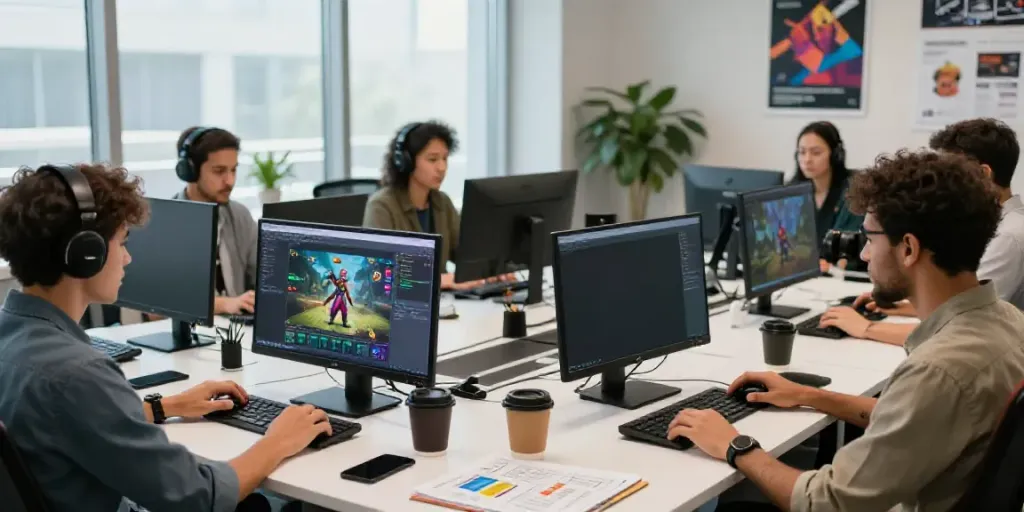
The complexity of modern game development necessitates effective collaboration among diverse teams, including designers, programmers, and artists. Utilizing project management tools that enable real-time communication and feedback can greatly enhance the development process. Such tools help keep teams aligned and ensure that everyone is working towards a shared vision.
Utilizing Feedback for Continuous Improvement
Feedback loops are crucial for refining games post-launch. Developers should actively seek feedback through beta testing and community engagement. Analyzing player behaviors and preferences through analytics tools can provide insights into areas needing improvement. This iterative process allows developers to adapt their games to meet player expectations, enhancing overall satisfaction.
Implementing Agile Methodologies in Game Design
Adopting agile methodologies can significantly streamline the development process. By breaking down projects into smaller, manageable sprints, teams can focus on specific aspects of the game, allowing for more flexible and responsive development. Agile practices foster innovation and enable teams to pivot quickly in response to new challenges or player feedback, ensuring that the final product is polished and well-received.
Marketing Your Game on Platforms like Kayu77
Creating a Compelling Game Narrative
A strong game narrative can be a game-changer when it comes to marketing. Players are drawn to stories that resonate with them emotionally. Developers should craft narratives that connect with their target audience, offering unique perspectives or experiences that differentiate their game from others on the market. Tailoring the story to fit the brand identity of platforms like kayu77 can enhance visibility and appeal.
Building a Community Around Your Game
Building a loyal community is essential for sustained success in online gaming. Developers can foster community engagement through forums, social media, and in-game events. Encouraging player interaction and feedback can create a sense of belonging and investment in the game's success. Engaging with fans through regular updates, Q&A sessions, and exclusive content can also help maintain interest and excitement around the game.
Strategies for Social Media Promotion
In the digital age, social media serves as a powerful marketing tool for game developers. Creating shareable content, including trailers, gameplay clips, and behind-the-scenes looks, can draw in potential players. Utilizing targeted ads on platforms like Facebook, Instagram, and TikTok can help reach a broader audience. Collaborating with influencers who resonate with the game's target demographic can amplify marketing efforts and drive downloads.
Monetization Techniques for Online Games
Understanding In-Game Purchases and Their Impact
In-game purchases have become a prevalent monetization model in the online gaming industry. Developers must strike a balance between offering enticing content and avoiding potential backlash from players. Transparent pricing models and a clear value proposition are key to ensuring that players feel satisfied with their purchases.
Subscription Models vs. One-Time Purchases
The debate between subscription models and one-time purchases continues in the gaming community. Subscription models, while providing consistent revenue, can be daunting for players wary of ongoing commitments. Developers should carefully consider their game's design and player preferences when choosing a monetization strategy, ensuring it aligns with player expectations and industry standards.
Leveraging Data Analytics for Revenue Growth
Data analytics plays a crucial role in understanding player behavior and optimizing monetization strategies. By analyzing spending patterns and player engagement, developers can tailor their offerings to maximize revenue. This data-driven approach allows developers to experiment with different monetization techniques and identify which ones resonate most with their audience.
Future of Online Gaming Beyond 2026
Emerging Technologies Transforming the Industry
As we look beyond 2026, emerging technologies like artificial intelligence (AI) and blockchain are set to revolutionize the online gaming industry. AI can enhance player experiences through dynamic storytelling and personalized gameplay, while blockchain technology can facilitate secure transactions and property rights for in-game assets, potentially redefining how players interact with digital worlds.
Predictions for Player Engagement and Retention
Future predictions indicate that player engagement will continue to focus on personalized experiences. Players will expect games to adapt to their preferences and play styles, leading to a more tailored gaming experience. Retention strategies will revolve around creating meaningful interactions within the game, ensuring that players remain engaged and invested over time.
Innovations in Game Design and Player Interaction
Innovation in game design will likely center around creating more immersive experiences. The integration of AR and VR will transform how players interact with games, paving the way for new genres and gameplay mechanics. Furthermore, player interaction will evolve, emphasizing collaboration and teamwork in ways not previously possible, enhancing the overall social aspect of gaming.